Phone No.

Menstrual Disorders
Menstrual Disorders
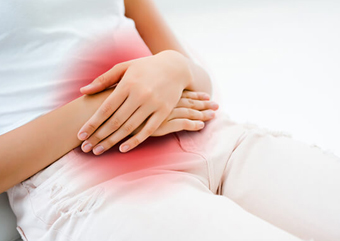
Menstrual disorders are conditions that affect the normal menstrual cycle, including irregular periods, heavy bleeding, missed cycles, or severe menstrual pain. These issues can impact a woman’s physical health, hormonal balance, and overall quality of life.
With proper diagnosis and treatment, menstrual disorders can be effectively managed. Early medical care helps regulate the menstrual cycle, reduce discomfort, and address underlying health conditions.
Common Types of Menstrual Disorders
Several types of menstrual problems can affect women at different stages of life:
Irregular menstrual cycles
Heavy menstrual bleeding (Menorrhagia)
Painful periods (Dysmenorrhea)
Missed or absent periods (Amenorrhea)
Frequent periods (Polymenorrhea)
Bleeding between periods
Possible Causes
Hormonal imbalance
PCOS (Polycystic Ovary Syndrome)
Uterine fibroids or polyps
Thyroid disorders
Stress or lifestyle changes
Endometriosis or pelvic infections
Treatment Options
Treatment depends on the cause, symptoms, and overall health of the patient.
Hormonal Therapy – Medications to regulate menstrual cycles.
Pain Management – Treatments to reduce menstrual cramps and discomfort.
Lifestyle Management – Diet, exercise, and stress control.
Medical Procedures – If required for fibroids, polyps, or other uterine conditions.
Regular Monitoring – Follow-up care to maintain menstrual health.
Benefits of Early Treatment
Regulates menstrual cycles
Reduces heavy bleeding and pain
Improves hormonal balance
Prevents long-term complications
Improves overall reproductive health
When to Consult a Doctor
Women should seek medical advice if they experience severe menstrual pain, heavy bleeding, irregular cycles, or missed periods for several months. Early consultation helps identify the cause and ensures proper treatment.