Phone No.

PCOS & Hormonal Disorders
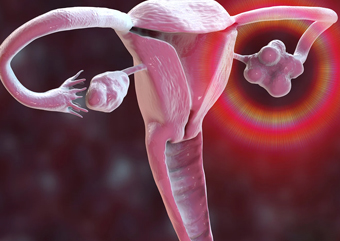
PCOS & Hormonal Disorders
PCOS (Polycystic Ovary Syndrome) and other hormonal disorders are common conditions that affect women’s reproductive health. These conditions occur when hormonal imbalances interfere with normal ovulation and menstrual cycles, leading to symptoms such as irregular periods, weight gain, acne, and fertility issues.
With proper diagnosis and personalized treatment, hormonal disorders can be effectively managed. Early care helps regulate hormones, improve reproductive health, and prevent long-term complications.
Common Symptoms of PCOS
Women with PCOS or hormonal imbalance may experience:
Irregular or missed menstrual periods
Excess facial or body hair growth
Acne or oily skin
Weight gain or difficulty losing weight
Hair thinning or hair loss
Difficulty conceiving
Causes of Hormonal Imbalance
Genetic or hereditary factors
Insulin resistance
Hormonal fluctuations
Stress and lifestyle factors
Thyroid disorders
Poor diet and sedentary lifestyle
Treatment Options
Treatment is personalized depending on symptoms, reproductive goals, and overall health.
Hormonal Therapy – Medications to regulate menstrual cycles and hormone levels.
Lifestyle Management – Diet, exercise, and weight control to improve hormonal balance.
Ovulation Induction – Treatment to help stimulate ovulation for women planning pregnancy.
Fertility Treatment – Advanced reproductive treatments such as IUI or IVF if needed.
Regular Monitoring – Continuous follow-up to maintain hormonal balance and reproductive health.
Benefits of Early Treatment
Regulates menstrual cycles
Improves fertility and ovulation
Reduces symptoms like acne and hair growth
Prevents long-term complications
Improves overall hormonal health
Prevention & Lifestyle Care
Maintain a healthy body weight
Follow a balanced and nutritious diet
Exercise regularly
Manage stress effectively
Regular gynecological check-ups
Expert Care for Hormonal Health
With proper diagnosis, lifestyle guidance, and advanced treatment options, PCOS and hormonal disorders can be effectively managed. Early medical care helps restore hormonal balance, improve fertility, and support long-term reproductive health.